
Sleep is a vital component of overall health, significantly impacting both physical and psychological wellbeing. For adults, the recommended amount of sleep typically ranges from seven to nine hours per night. This duration allows the body to traverse various stages of sleep, each serving distinct physiological and psychological functions crucial for maintaining health.
The sleep cycle comprises several stages, including light sleep, deep sleep, and REM (Rapid Eye Movement) sleep. Each stage plays an important role in restoring the body and brain. Deep sleep is critical for physical recovery and growth, while REM sleep is essential for emotional regulation and cognitive function. Disruptions in these stages can lead to adverse effects on mood, decision-making, and interpersonal relationships.
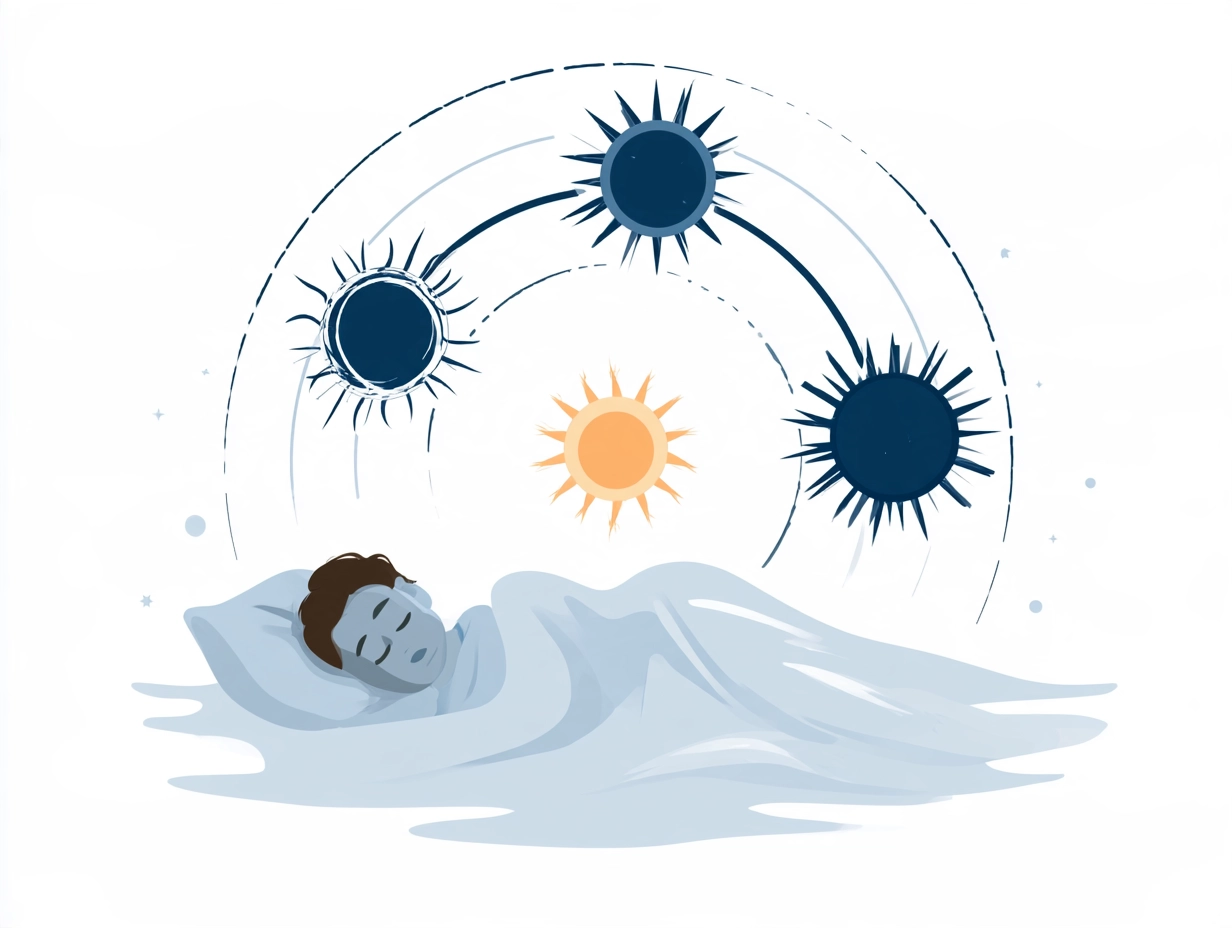
Quality sleep also plays a significant role in emotional stability. Insufficient or poor quality sleep may result in feelings of irritability and increased vulnerability to stress. As a consequence, individuals may find themselves feeling lonely in a relationship, struggling to connect with their partner. Moreover, lack of restorative sleep can diminish the desire in long-term relationships, leading to decreased intimacy and communication between partners.
Furthermore, sleep influences hormone regulation that affects appetite and energy levels, which subsequently impact relationships. Poor sleep can lead to mood swings and an inability to effectively communicate, amplifying conflicts in a relationship. This shows that the effects of sleep extend beyond individual health, cascading into interpersonal dynamics. Understanding how sleep impacts emotional wellbeing is essential to fostering healthy and fulfilling relationships.
In conclusion, prioritizing sleep is integral not only for personal health but also for nurturing relationships. Acknowledging the value of restorative sleep can significantly enhance emotional stability, communication, and relationship satisfaction.
The Link Between Sleep Patterns and Relationship Quality

Sleep patterns play a critical role in shaping the dynamics of interpersonal relationships. Numerous studies have indicated that disturbances in sleep, such as insomnia or sleep apnea, can severely affect an individual’s mood and emotional responses. For instance, when a person experiences insufficient or poor-quality sleep, it often translates to increased irritability and mood swings. These alterations in emotional stability can lead to miscommunications and conflicts within relationships.
Moreover, chronic sleep deprivation can contribute to feelings of loneliness even within intimate partnerships, leaving individuals feeling isolated despite being physically present with their partners. This phenomenon can create a sense of emotional disconnection, leading to partners feeling ‘lonely in relationship’ settings where they should ideally experience closeness and support.
Furthermore, inconsistent sleep schedules can disrupt daily functioning and exacerbate stress levels. As individuals navigate their daily responsibilities on inadequate rest, their capacity to engage meaningfully with their partners is compromised. This disruption not only hampers the quality of interactions but can also diminish the underlying desire in long-term relationships, undermining the sense of connection that is pivotal for sustained partnership.
As sleep is closely tied to emotional regulation and overall mental health, addressing sleep issues can lead to improvements not just in personal well-being but also in relationship satisfaction. Couples who prioritize healthy sleeping habits may find that they engage more positively with each other, enhancing their emotional bonds. Optimal sleep supports clearer communication and emotional support, addressing the challenges of feeling lonely in relationships, and reinforcing the desire for intimacy and connection.
How Sleep Deprivation Affects Communication

Lack of adequate sleep can significantly influence communication between partners, potentially leading to misunderstandings and conflicts. When individuals experience sleep deprivation, their emotional regulation is compromised, heightening sensitivity to criticism and stressors within the relationship. This heightened sensitivity can prevent partners from engaging in open and constructive dialogues, resulting in feelings of being lonely in a relationship despite the physical presence of a partner.
Moreover, sleep deprivation negatively impacts cognitive functions such as memory and attention, which are critical for effective communication. When one partner is tired, they may struggle to fully comprehend their partner’s viewpoints or might misinterpret comments during discussions. This miscommunication can create unnecessary friction, fostering a cycle of frustration and disconnect that might manifest as a lack of desire in long-term relationships.
Empathy, a crucial component of any healthy relationship, also suffers when sleep is insufficient. A well-rested mind is more attuned to the emotions and needs of a partner. Conversely, when sleep-deprived, individuals are less likely to recognize subtle emotional cues, which can further exacerbate feelings of isolation between partners. This inability to empathize and connect can intensify the experience of feeling lonely in the relationship, despite the mutual commitment. Therefore, the quality of sleep is not merely a personal health issue but an essential element that influences relationship dynamics.

Ultimately, those in long-term relationships must acknowledge the effects of sleep on their communication. Prioritizing restorative sleep can foster healthier interactions and enhance emotional connections, reaffirming the desire in long-term relationships and minimizing feelings of loneliness. Ensuring both partners receive adequate sleep can contribute to a more understanding and supportive environment where effective communication flourishes.
Practical Tips for Improving Sleep to Enhance Relationships
Acknowledging the significant impact of sleep on relationships, individuals can adopt various strategies to improve their sleep quality, thereby fostering healthier dynamics with their partners. One essential consideration is the establishment of consistent sleep routines. Going to bed and waking up at the same time every day can help regulate the body’s internal clock, ultimately leading to better sleep quality. This routine is particularly critical for couples, as synchronizing sleep schedules can alleviate feelings of being lonely in a relationship, allowing partners to connect more effectively during waking hours.

Creating a sleep-friendly environment is another vital aspect of enhancing sleep quality. The bedroom should be designated for rest and relaxation, free from distractions such as excessive noise, light, and electronic devices. Investing in comfortable bedding and maintaining an optimal temperature can further promote restful sleep. This conducive sleep setting not only benefits individual well-being but also encourages intimacy and bonding, which are often essential in mitigating feelings of desire in long-term relationships.
Addressing common sleep disorders, such as insomnia or sleep apnea, is crucial for maintaining a healthy relationship. Couples should remain vigilant about their sleep health and seek professional help when necessary. Open communication about sleep issues can strengthen the partnership by fostering understanding and support. Engaging in practices such as mindfulness or relaxation techniques before bedtime can also enhance sleep quality, reducing stress and anxiety that might otherwise interfere with restful sleep.
Finally, mutual support between partners is fundamental in cultivating healthy sleep habits. Couples can encourage each other to prioritize sleep, create a relaxing bedtime routine together, or even participate in activities like yoga or meditation. By doing so, they not only improve their individual sleep quality but also nurture a bond that contributes positively to their relationship dynamics. Implementing these tips can significantly diminish feelings of loneliness and increase emotional connection, underscoring the importance of sleep in fostering resilient relationships.
