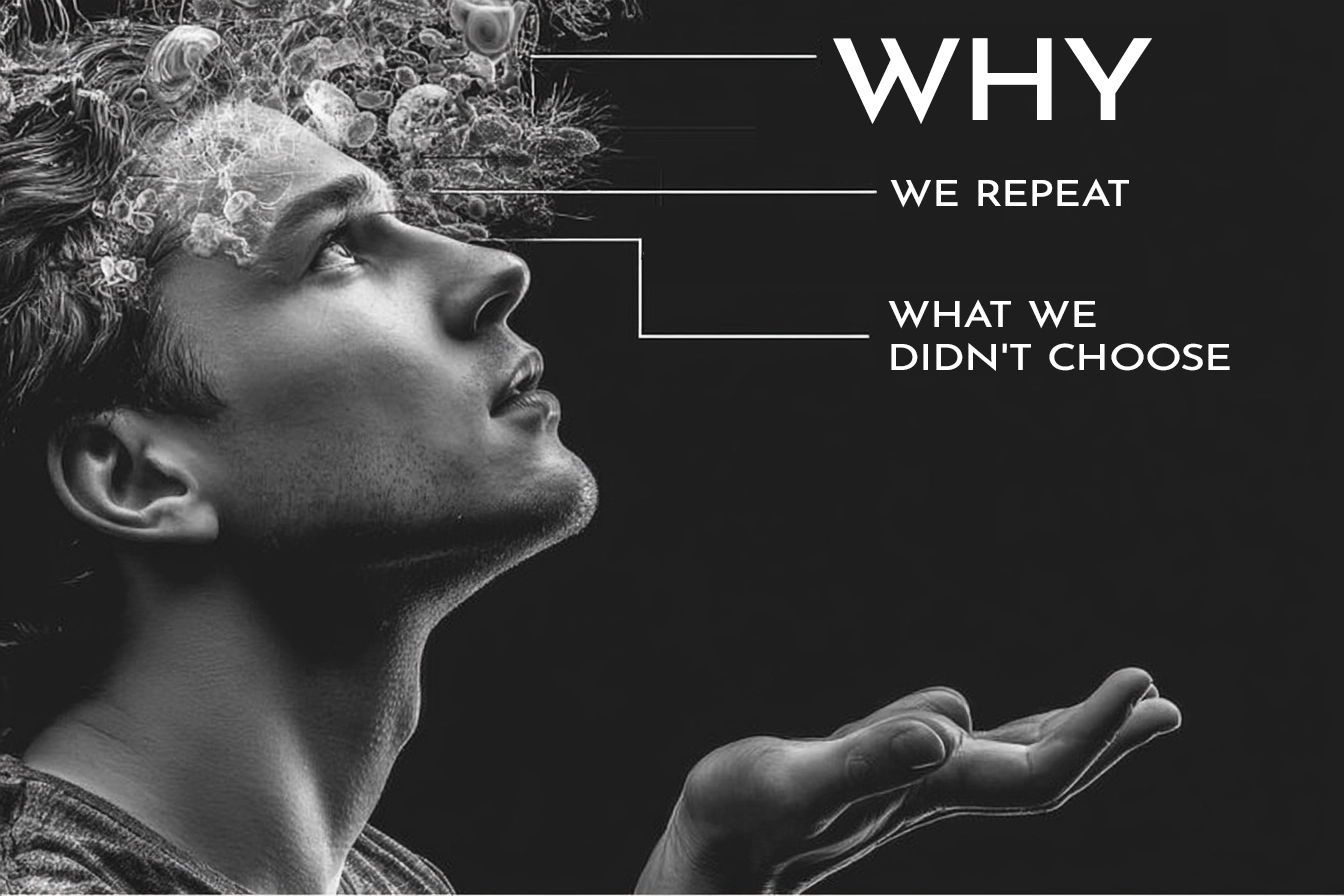
You swear you’ll do better this time. Yet somehow, you find yourself in the same situation, with the same type of person, facing the same old fear. How did you end up repeating a script you never agreed to read?
This isn’t coincidence. It’s repetition compulsion—a psychological pull toward familiar patterns, even painful ones. Freud first named it, but modern neuroscience and trauma psychology confirm it: your nervous system doesn’t crave happiness; it craves predictability. If chaos, neglect, or self-sabotage were normal in your formative years, your brain maps them as “home.” When you encounter them again, it doesn’t feel like a mistake. It feels like recognition. The amygdala treats the familiar as safe, even when it harms you.
We don’t repeat what we choose. We repeat what was programmed. Early experiences wire our expectations of love, safety, and self-worth. A child who learns that affection must be earned will grow into an adult who overworks in relationships. Someone raised around emotional volatility will unconsciously recreate tension because calm feels alien, even threatening. The mind would rather replay a familiar wound than step into an unknown peace. Familiarity masquerades as safety, even when it drains you. Attachment styles formed in childhood become the blueprint for how we navigate intimacy, conflict, and self-regulation decades later.
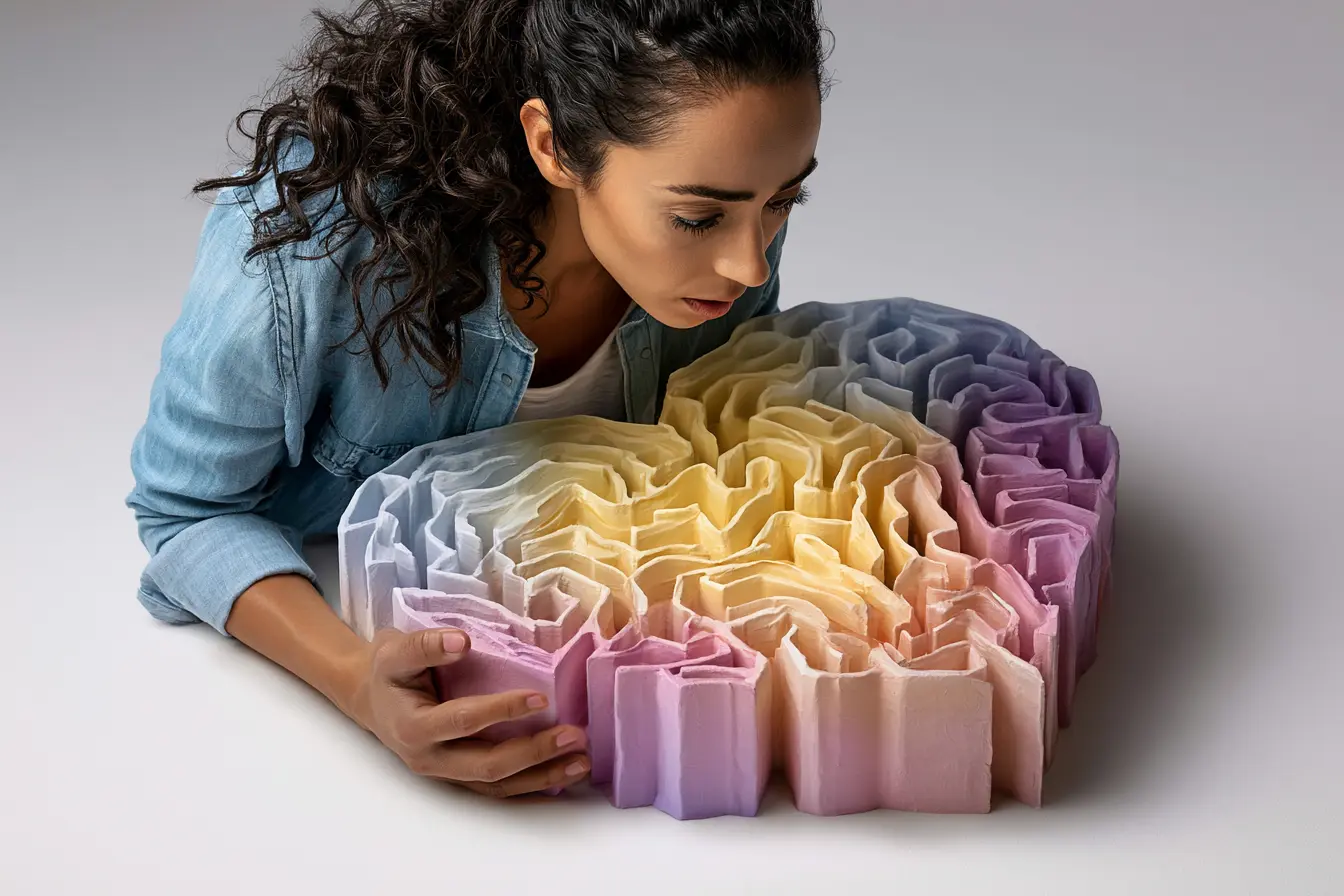
You think you’re making choices. But often, you’re following invisible tracks laid down long ago. Triggers activate old survival strategies. You react before you reflect. The pattern runs on autopilot until you shine a light on it. Awareness is the first act of rebellion. Notice the physical cues: tightened chest, shallow breath, defensive posture. Your body remembers what your conscious mind forgets. Naming the loop interrupts the automatic cascade.
You can’t outthink a nervous system response. You must out-practice it. Start by pausing. Ask: “Is this my choice, or my conditioning?” Replace automatic responses with deliberate ones. Small deviations rewire neural pathways over time. Therapy, journaling, mindfulness, and safe relationships provide the scaffolding for new patterns. Healing isn’t about erasing the past. It’s about refusing to let it dictate your future. Neuroplasticity proves that every conscious choice builds a new road.

You weren’t born to repeat what hurt you. You were born to recognize it, release it, and finally choose yourself. The cycle breaks the moment you stop confusing familiarity with destiny. Breakthroughs rarely happen in grand declarations. They happen in quiet moments when you catch yourself mid-pattern and choose differently. That single pause is where freedom lives. Keep showing up for the version of you that finally gets to decide.
