
You’ve been taught to distrust your wants. To call them excessive, selfish, unrealistic. To push them down in favor of shoulds, duties, and practicality. But what if desire isn’t the enemy of wisdom—what if it is wisdom, speaking in a language you’ve forgotten how to hear?
Desire is data. It’s your nervous system, your psyche, your deepest self sending signals about what you need to thrive. That pull toward connection, rest, creative expression, pleasure, or meaning isn’t frivolous. It’s informational. Every desire points to an unmet need, a value asking to be honored, a part of you seeking integration.
We learn to suppress desire early. A child’s want is inconvenient. “Don’t be so needy.” “You already have enough.” “Think of others first.” Over time, we internalize the message: wanting is dangerous. It makes us vulnerable to disappointment, rejection, shame. So we disconnect from our desires to stay safe. But disconnection has a cost. When you numb your wants, you numb your aliveness. You lose access to your internal compass.
Psychologically, desire is tied to attachment and authenticity. It reveals what matters to you. Longing for closeness? You value intimacy. Craving solitude? You need restoration. Yearning to create? You’re seeking self-expression. These aren’t indulgences—they’re essential nutrients for your psyche.
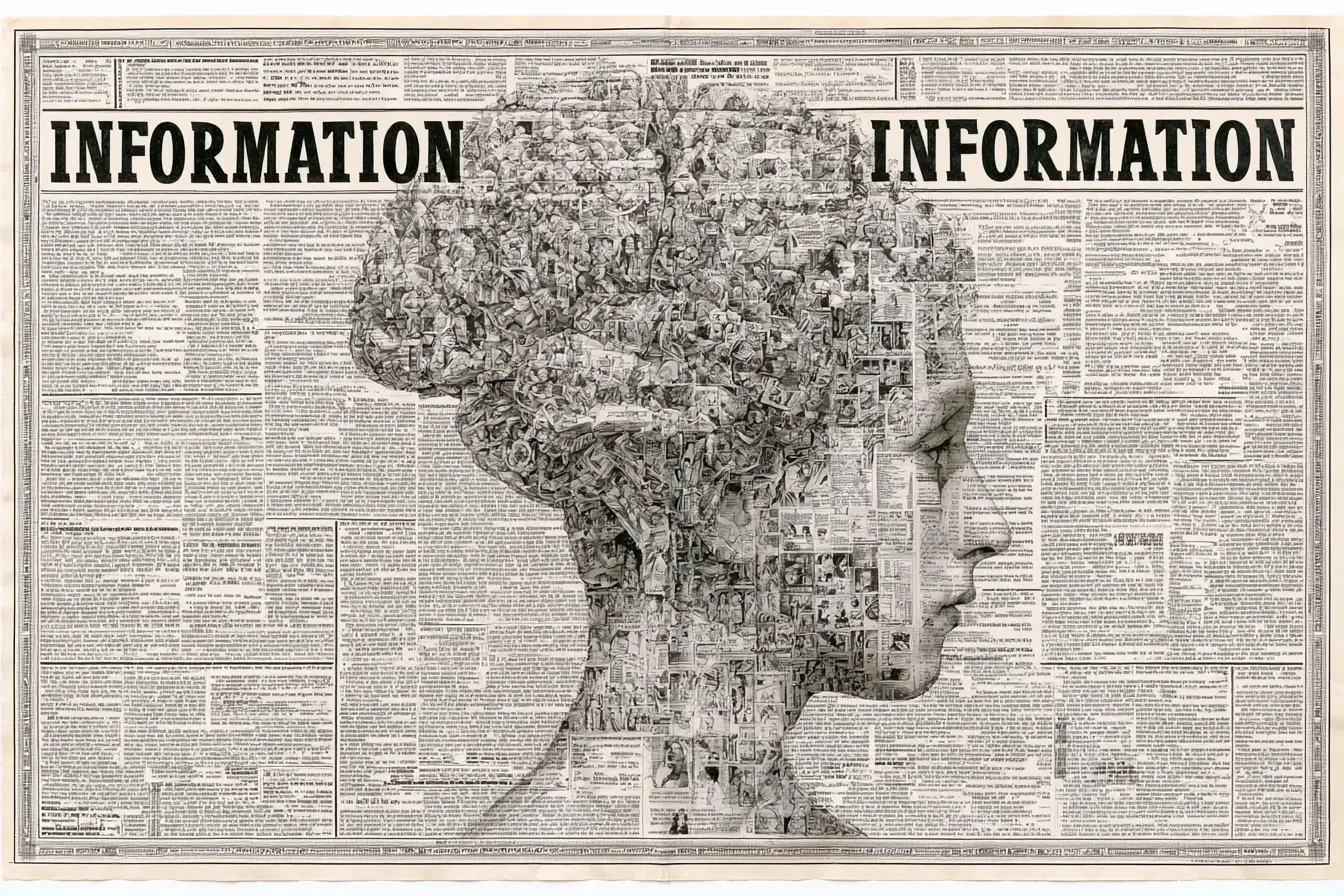
The problem isn’t desire itself. It’s the belief that desire must be either acted on immediately or crushed completely. There’s a third way: curiosity. Instead of judging your wants or obeying them blindly, investigate them. Ask: “What is this desire telling me? What need is underneath it? Is this about comfort, connection, meaning, autonomy?”
Sometimes desire points to a genuine need that’s been neglected. Sometimes it’s a coping strategy masking something deeper. Only inquiry reveals the difference. That craving for distraction might be exhaustion asking for rest. The urge to people-please might be a longing for belonging. The pull toward control might be fear asking for safety.
When you treat desire as information rather than indictment, you reclaim agency. You stop being controlled by wants you don’t understand and start collaborating with your inner world. This is how integration happens—when all parts of you have a voice, even the wanting ones.
Your desires are not proof of brokenness. They’re proof of being human. They’re the psyche’s way of pointing toward wholeness, growth, and aliveness. The question isn’t whether you should want. The question is: are you listening to what your wanting is trying to tell you?
Start treating your desires as messengers, not enemies. They’re not here to ruin your discipline or make you weak. They’re here to guide you home to yourself.
