
Breathwork refers to a variety of techniques focused on the conscious regulation of breathing to improve physical, mental, and emotional well-being. Its historical roots can be traced back thousands of years, with origins in ancient practices such as yoga and meditation. These age-old traditions recognized the profound impact that controlled breathing has on one’s holistic health and inner peace.
The practice of breathwork is not merely about the physical aspect of breathing; it transcends into a mental and emotional domain, creating a space for deep personal transformation. By harnessing breath control, individuals can influence their physiological and psychological states, effectively managing anxiety and reducing stress. Deep breathing techniques can induce a relaxation response, calming the nervous system and providing a respite from daily pressures.
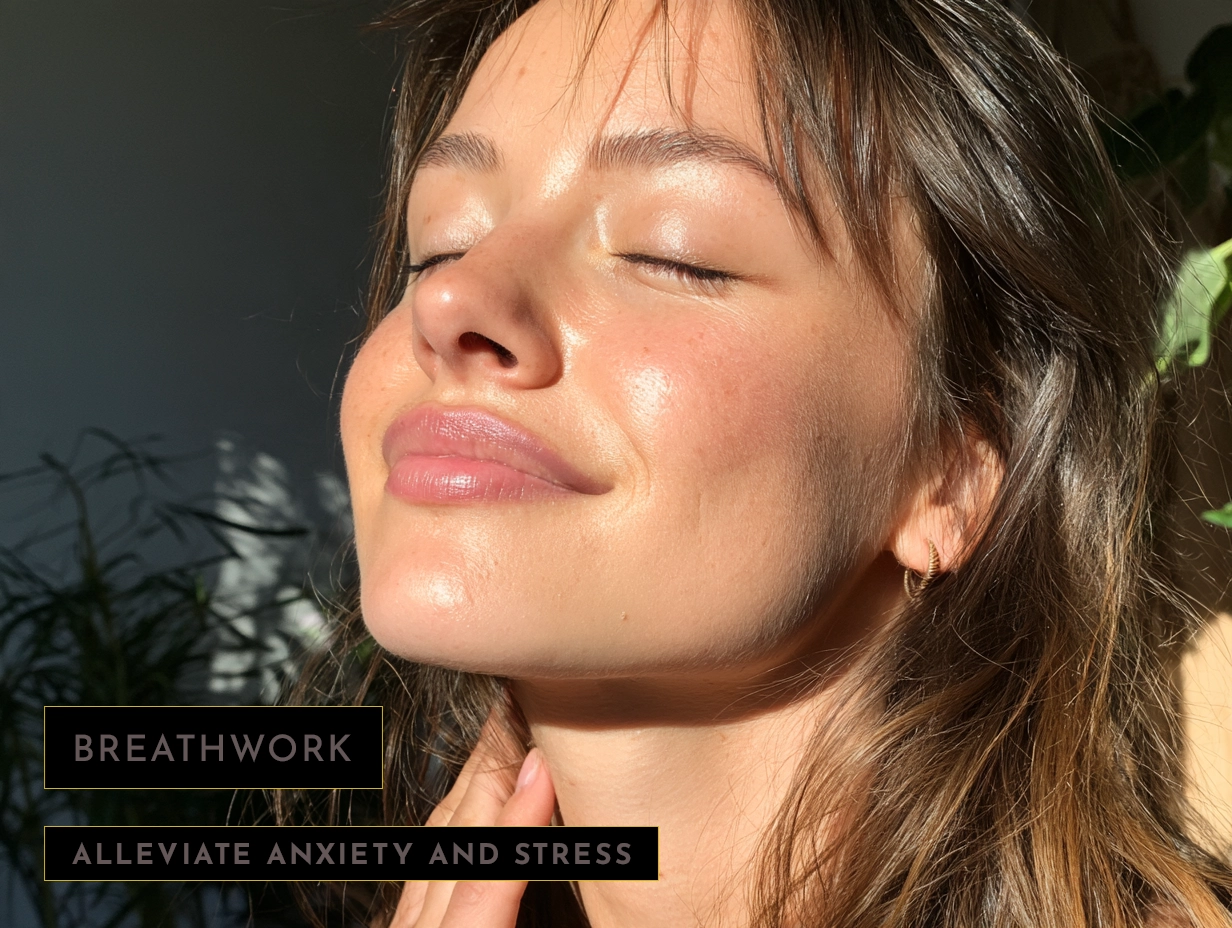
Among the various styles of breathwork, several have gained prominence in contemporary wellness practices. For instance, Holotropic Breathwork emphasizes self-exploration and integration, while Transformational Breath focuses on releasing trauma and enhancing overall emotional health. Each technique is designed with specific effects in mind, allowing practitioners to choose the style that resonates most with their individual needs. Furthermore, incorporating breathwork into a morning routine can set a positive tone for the day ahead, fostering a sense of clarity and focus.
In summary, understanding breathwork involves appreciating its historical significance, its physical and emotional dimensions, and the diverse techniques available to practitioners. Embracing such practices can facilitate a profound shift in one’s mental state, particularly for those seeking relief from anxiety and stress.
The Science Behind Breathwork and Its Impact on Anxiety and Stress
Recent scientific research has increasingly focused on the role of breathwork in alleviating anxiety and stress. Numerous studies have shown that controlled breathing techniques can significantly influence the body’s autonomic nervous system, leading to marked improvements in mental health. When individuals engage in strategic breathwork practices, the initial response is often a reduction in the heart rate and a calming of the mind. This physiological change is largely due to the activation of the parasympathetic nervous system, which is responsible for relaxation and recovery.

Moreover, breathwork has been shown to lower cortisol levels—commonly known as the stress hormone—which is elevated during periods of anxiety. Elevated cortisol levels are associated with numerous health concerns, including a weakened immune system, impaired cognitive function, and mood disturbances. By integrating breathwork into a morning routine, individuals can prepare their minds and bodies to better handle daily stressors, promoting a sense of calm and focus throughout the day.
Furthermore, studies have also highlighted the physiological changes that occur in the body during breathwork. Techniques such as diaphragmatic breathing can enhance oxygen delivery to various tissues, improve circulation, and stimulate the release of neurotransmitters that regulate mood. Research has shown that mindful breathing practices not only facilitate relaxation but also enhance overall emotional well-being. The implications for mental health are profound, suggesting that individuals who incorporate breathwork into their daily routines may experience a more resilient response to stressors.

In conclusion, the integration of breathwork techniques into one’s morning routine can have significant effects on managing anxiety and stress. Through the activation of the parasympathetic nervous system and reductions in cortisol levels, breathwork offers a scientifically-backed method for enhancing mental health and well-being.
Practical Breathwork Techniques for Everyday Use
Incorporating breathwork into your daily morning routine can significantly enhance your overall well-being, particularly in reducing anxiety and stress. There are several effective techniques that can be easily integrated into your life, making them accessible for anyone looking to improve their mental health.
One of the most foundational techniques is “diaphragmatic breathing“, or abdominal breathing. To practice this method, sit or lie down in a comfortable position. Place one hand on your chest and the other on your abdomen. Inhale deeply through your nose, ensuring that your diaphragm inflates with air rather than your chest. This technique encourages full oxygen exchange and induces a state of relaxation, making it an ideal choice for the start of your day.

Another effective method is “box breathing“, which is particularly useful for managing stress in real-time. This technique involves inhaling for a count of four, holding the breath for another count of four, exhaling for four counts, and pausing for an additional four counts before the next inhale. Repeat this cycle several times. The structured nature of box breathing aids in promoting focus and calmness, serving as an excellent practice to incorporate into a morning routine.

“Alternate nostril breathing” offers an engaging way to balance the body’s energy while calming the mind. To perform this technique, sit comfortably and use your right thumb to close your right nostril. Inhale deeply through your left nostril, then close it with your right ring finger while releasing your right nostril. Exhale through the right nostril, then inhale through it, and switch back to exhale through the left. This method not only alleviates stress but also promotes mental clarity. Incorporating this into your morning routine can set a positive tone for your day.

To maximize the benefits of these breathwork practices, consider creating a conducive environment. Find a quiet space where you will not be interrupted. Use calming scents, such as lavender, or play gentle instrumental music to enhance relaxation. Consistency and environment are key factors in successfully integrating breathwork into your daily life.
Creating a Breathwork Routine for Long-Term Relief
Establishing a personalized breathwork routine is an effective way to alleviate anxiety and stress over time. To create a successful morning routine centered around breathwork, it is essential to consider several factors, including frequency, duration, and how it integrates with other mindfulness practices.

First, determine an appropriate frequency for your breathwork sessions. Aiming for daily practice can be beneficial, as consistent engagement with breathwork can lead to more significant improvements in managing anxiety and stress levels. However, if daily sessions feel overwhelming, starting with two to three days a week can help you build the habit gradually.
Next, consider how long each session should last. For beginners, starting with short sessions of about 5 to 10 minutes can be effective. Gradually increasing the duration to 15 and even 30 minutes can further enhance the benefits. During these sessions, focus solely on your breath, allowing yourself to enter a state of relaxation. Implementing a morning routine that includes breathwork prepares your mind and body to face the day more effectively.

Integration with other mindfulness techniques—such as meditation or yoga—can amplify the benefits of breathwork. Pairing these practices can foster a deeper state of relaxation and contribute to a stronger foundation for managing stress. You may also find it helpful to create a calming environment, free from distractions, to enhance your breathwork experience.
Overcoming challenges is an integral part of sustaining a breathwork practice. You may experience difficulty in establishing a routine due to time constraints or a busy lifestyle. To address these challenges, consider scheduling your breathwork sessions at the same time each day, allowing them to become a non-negotiable part of your morning routine. Setting reminders and creating a dedicated space can also promote consistency.
By consciously cultivating a personalized breathwork routine, individuals can experience long-term relief from anxiety and stress. Remember, the key lies in consistency and gradually integrating other practices that resonate with you.
