
Loneliness is a complex emotional state that can amalgamate with a romantic partnership, leading to feelings of isolation despite physical proximity. The distinction between being alone and feeling lonely is crucial; one can be in the same space as their partner yet experience profound loneliness. This disconnection may arise when partners fail to effectively communicate their feelings or unmet emotional needs, which can leave one or both partners feeling like they are navigating their own struggles independently.
The experience of loneliness in relationships often stems from various factors. Communication issues are a primary contributor, as partners may find themselves trapped in patterns of misunderstandings or lack of expression. When thoughts and feelings are not adequately shared, the possibility of experiencing emotional disconnection increases. This veil of silence can lead to one partner feeling neglected or unsupported, thereby heightening feelings of loneliness.

Additionally, unmet emotional needs amplify the sense of loneliness. Each partner enters a relationship with distinct expectations and desires; if these are not recognized or addressed, the emotional void may grow. In this context, the desire in long-term relationships transcends mere companionship and touches upon the need for deep emotional connection and understanding. External stressors, such as work pressures or family responsibilities, can also divert attention from nurturing the relationship, exacerbating feelings of loneliness.

Understanding the roots of loneliness within a relationship is essential for addressing and overcoming it. It requires ongoing effort from both partners to cultivate an environment of support, ensuring that communication lines remain open and emotional needs are acknowledged. Through this awareness, couples can work towards fostering a more fulfilling and connected relationship, where feelings of loneliness can be minimized, allowing for a more profound partnership that resonates with both individuals’ desires.
Identifying Causes of Loneliness
Feeling lonely in a relationship can stem from various factors, many of which are deeply intertwined with personal experiences and emotional states. One common cause is personal insecurities. Individuals may struggle with low self-esteem or self-worth, leading to an internal sense of isolation despite being in a committed partnership. These insecurities often create a disconnect between partners, making it difficult to foster a deep emotional connection.

Another significant factor contributing to loneliness is mismatched expectations. Partners may enter the relationship with different needs and desires, which can lead to disappointment and feelings of neglect. For instance, if one partner desires open communication and emotional intimacy, while the other prioritizes independence or avoids deep discussions, feelings of loneliness can prevail. Recognizing and addressing these disparities is crucial for building a stronger bond and reducing loneliness.
Lack of emotional support can further exacerbate feelings of isolation within a relationship. If one partner consistently feels unheard or unsupported, their emotional needs may remain unmet, leading to increasing loneliness. This scenario often occurs when partners fail to recognize each other’s needs or when one partner withdraws due to stress or other life challenges.

Moreover, individual factors such as mental health issues can have a profound impact on the dynamics of a relationship. Conditions like depression or anxiety may lead to withdrawal or difficulty in connecting with a partner, thereby magnifying feelings of loneliness. Similarly, past experiences, such as previous traumas or unhealthy relationship patterns, can influence a person’s ability to engage emotionally, further contributing to feelings of isolation.
In navigating desire in long-term relationships, addressing these causes is essential. Understanding the multifaceted nature of loneliness within relationships can pave the way for healthier interactions, greater emotional intimacy, and ultimately, a more fulfilling partnership.
Effective Communication Strategies
Effective communication is fundamental in addressing feelings of loneliness within a relationship. When individuals feel lonely in a relationship, it is essential to articulate those feelings to a partner. A starting point is to create an atmosphere where both partners feel safe discussing their vulnerabilities. This can be achieved by choosing the right time and setting, away from distractions, which allows for focused and meaningful dialogue.
One practical strategy is to use “I” statements when expressing feelings. For instance, instead of saying, “You never listen to me,” partners might say, “I feel unheard when our conversations focus less on my feelings.” This approach reduces defensiveness and fosters an environment of understanding. Furthermore, employing active listening techniques can significantly enhance the quality of discussions. This involves giving full attention to the partner, acknowledging their feelings, and responding thoughtfully. Phrases such as “What I hear you saying is…” can validate feelings and confirm that the partner feels understood.
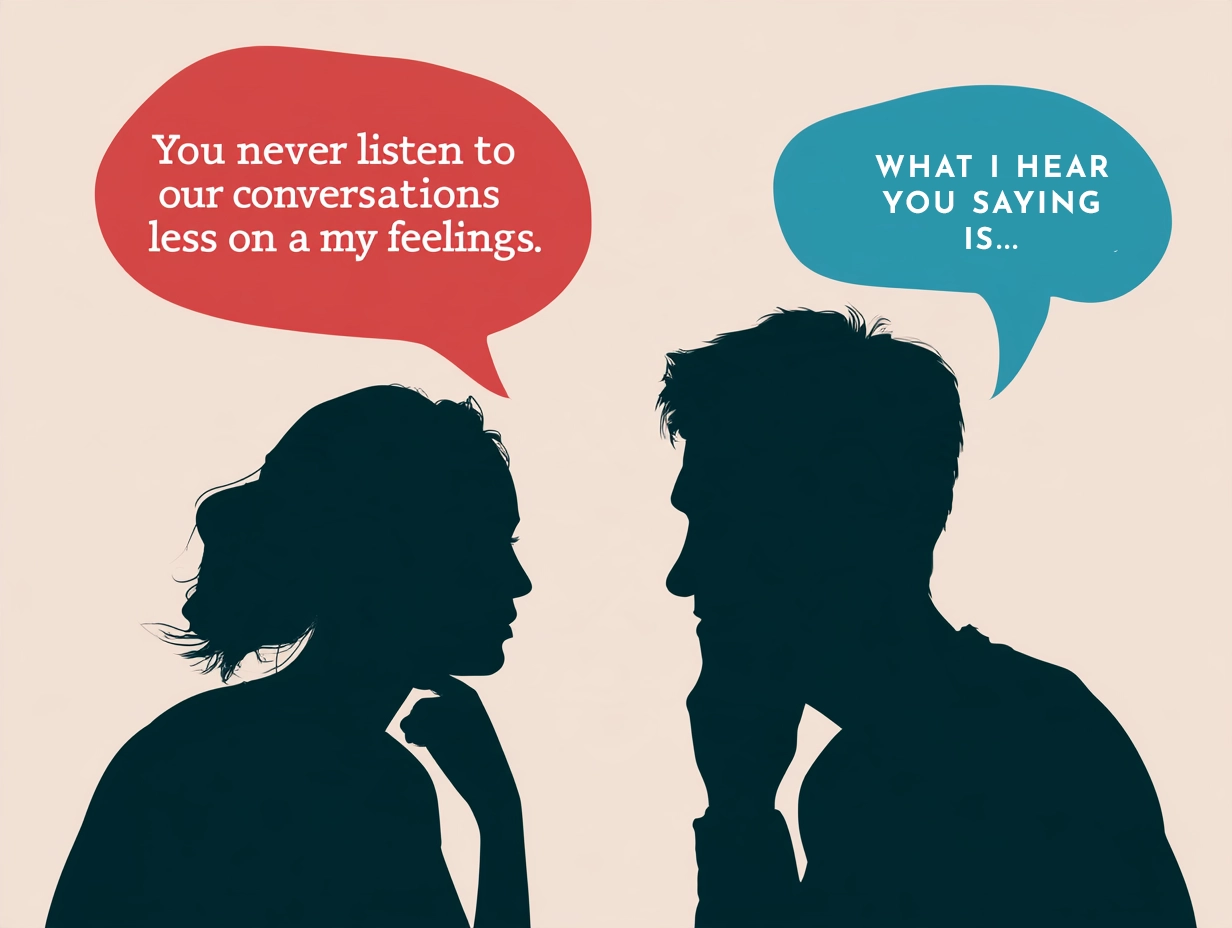
It is crucial to practice vulnerability and honesty during these conversations. By openly sharing feelings of desire in long-term relationships, partners can connect on a deeper level. Vulnerability invites a reciprocal response, encouraging the other partner to also reveal their feelings and needs. Such exchanges not only strengthen bonds but also help clarify expectations within the relationship.

To ensure ongoing communication about emotional needs, establish regular check-ins. These check-ins can be brief yet impactful, allowing both partners to reflect on their feelings and discuss changes in their emotional landscape. Addressing feelings of loneliness early can prevent a buildup of resentment or disconnection. Ultimately, the commitment to consistent and open communication can serve as a strong foundation in navigating the complexities of relationships, ensuring that both partners feel valued and understood.
When to Seek Help
Feeling lonely in a relationship can be a complex and distressing experience. It is essential for couples to recognize the signs that may indicate it is time to seek professional help, particularly when the feelings of isolation persist and impact their overall well-being. One common indicator is a significant decrease in communication or emotional intimacy, where partners may find it challenging to express their feelings or share their experiences. This lack of connection often exacerbates feelings of loneliness and can lead to misunderstandings and resentment.

Another sign that it may be time to explore external support includes ongoing conflicts or recurring patterns of disagreements, especially regarding emotional needs and desires in long-term relationships. If partners notice that these conflicts remain unresolved despite their attempts to address them, it may be beneficial to engage a third party, such as a therapist or counselor. Professionals can offer valuable insights and strategies to help couples navigate these issues effectively.
Moreover, significant life changes or stressors, such as new parenting responsibilities, job loss, or health challenges, can intensify feelings of loneliness and strain the relationship. In such cases, seeking help can provide couples with coping mechanisms and techniques to manage these transitions positively. Professional guidance can foster a sense of understanding and empathy, allowing partners to reconnect and strengthen their bond.

Couples might also benefit from seeking support through relationship workshops or online therapy options that focus on improving communication and emotional intimacy. These resources can facilitate the healing process and provide a structured environment for partners to explore their feelings openly. Recognizing when to seek help is a crucial step towards addressing feelings of loneliness and revitalizing a relationship.
